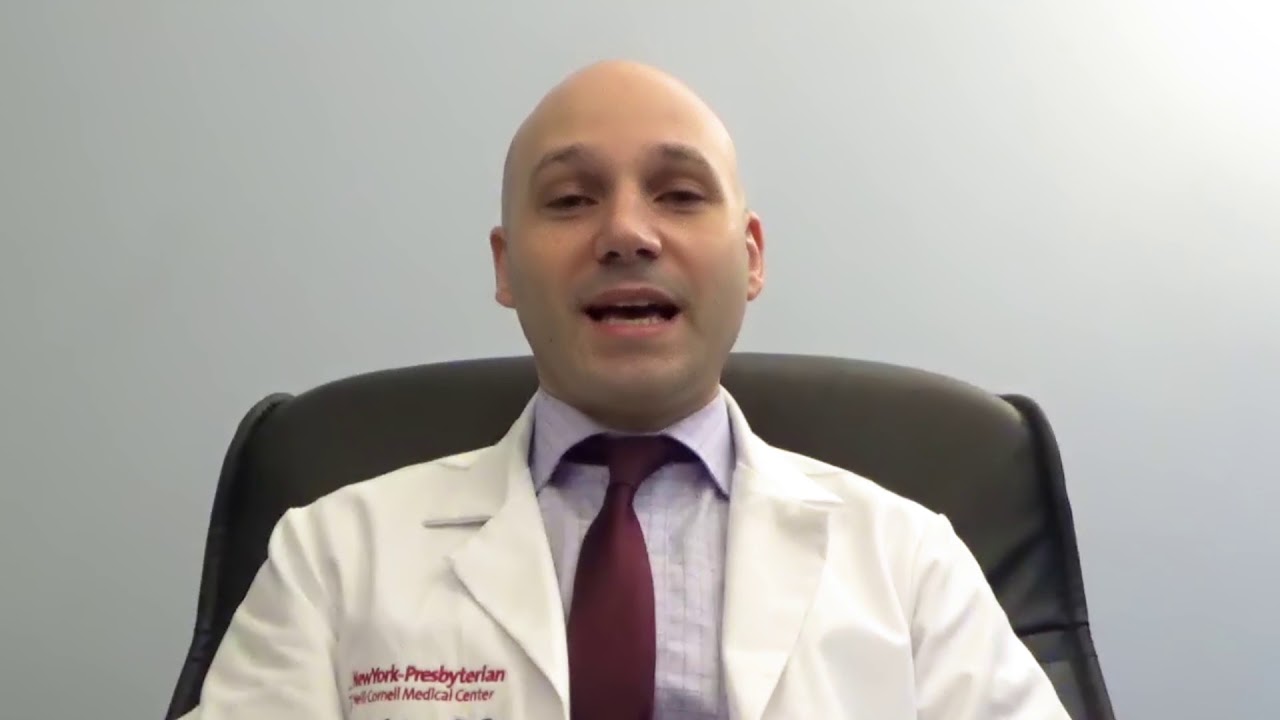
Principium Psychiatry provides physician-led ketamine treatment in Midtown Manhattan for depression, anxiety, post-traumatic stress disorder (PTSD), obsessive-compulsive disorder (OCD), and related psychiatric conditions. We have particular expertise in conditions that have remained significant despite appropriate prior care.
Ketamine can be important, but it should not be offered in isolation from careful psychiatric assessment. Every patient begins with a thorough evaluation of the diagnosis, symptoms, prior treatment, medical history, medications, safety considerations, and personal goals. We then determine whether ketamine is appropriate and which form best fits the patient’s needs.
Our Midtown office offers intravenous (IV) ketamine, intranasal ketamine, SPRAVATO® (esketamine), and ketamine-assisted psychotherapy (KAP). Because Principium is a comprehensive psychiatry practice, our recommendations are not limited to ketamine. We also provide medication management, psychotherapy, transcranial magnetic stimulation (TMS), accelerated TMS, and electroconvulsive therapy (ECT). The goal is to identify the most appropriate path forward and remain closely involved as treatment progresses.
At Principium, our aim is not to be glitzy or to sell patients on a “psychedelic” experience. We are equally careful not to overstate the evidence for psychedelic-assisted psychotherapy beyond what the research currently supports. Our approach is medical, measured, and evidence-based: we follow the literature and established best practices while remaining forward-looking and incorporating promising new treatments as they earn a place in evidence-based psychiatric care.
SPRAVATO® is FDA-approved for specific depressive conditions. IV ketamine is used off-label for psychiatric treatment. Compounded intranasal ketamine is not FDA-approved, and ketamine treatment for anxiety, PTSD, OCD, and other conditions discussed on this page may involve off-label use. Recommendations are made individually following a comprehensive medical and psychiatric evaluation.
Ketamine Treatment Near Grand Central
Our Midtown Manhattan office is located at:
110 East 42nd Street, Suite 1818
New York, NY 10017
The office is in the landmark Bowery Savings Bank Building, directly across from Grand Central Terminal and convenient to Metro-North, the 4, 5, 6, 7, and S subway lines, Midtown offices, and surrounding neighborhoods. The location allows patients to receive advanced psychiatric treatment in a setting that is central and accessible while remaining highly private.
110 East 42nd Street, Suite 1818
New York, NY 10017
Ketamine Options at Our Midtown Manhattan Office
“Ketamine treatment” can refer to several distinct treatments. They are related, but they are not interchangeable. Route of administration, evidence, regulatory status, cost, treatment schedule, and subjective experience all matter.
IV Ketamine Infusions
IV ketamine at Principium Psychiatry allows the medication to be administered gradually and the dose to be adjusted with precision. In psychiatric care, IV ketamine is used off-label, meaning that ketamine is FDA-approved as an anesthetic but has not been separately approved by the FDA as an IV medication for depression. The use of IV ketamine for depression is off-label and is considered based on the available evidence, clinical judgment, and each patient’s individual circumstances.
Patients remain awake during a psychiatric ketamine infusion. Our clinical team monitors the patient throughout treatment in a controlled, calming environment. Temporary effects generally diminish after the infusion ends.
Intranasal Ketamine
For selected patients, Principium may prescribe compounded intranasal ketamine. This treatment is distinct from SPRAVATO®, and compounded intranasal ketamine is not FDA-approved for psychiatric treatment. When considering this option, we discuss the available evidence, uncertainties, potential risks, alternatives, medical history, and prior treatment response.
SPRAVATO® (Esketamine)
SPRAVATO® is a prescription nasal spray containing esketamine, a form of the ketamine molecule. It is FDA-approved for treatment-resistant depression in adults, either as monotherapy or in conjunction with an oral antidepressant. Eligibility is determined through clinical evaluation and applicable prescribing requirements.
Because it has an FDA-approved psychiatric indication, SPRAVATO® may have insurance coverage when a plan’s clinical criteria and authorization requirements are met.
SPRAVATO® is administered at Principium Psychiatry under supervision in a REMS-certified healthcare setting. Patients are monitored for at least two hours after dosing and must arrange transportation home. They should not drive or operate machinery until the following day after a restful night’s sleep.
SPRAVATO® is also FDA-approved, when used in conjunction with an oral antidepressant, for the treatment of depressive symptoms in adults with major depressive disorder accompanied by acute suicidal ideation or behavior. Its effectiveness in preventing suicide or reducing suicidal ideation or behavior has not been demonstrated, and SPRAVATO® does not replace hospitalization when clinically warranted.
SPRAVATO® is a registered trademark of Johnson & Johnson and its affiliated companies. Principium Psychiatry is an independent medical practice and is not affiliated with or endorsed by Johnson & Johnson.
Ketamine-Assisted Psychotherapy
Principium also provides ketamine-assisted psychotherapy. KAP combines ketamine with structured therapeutic work. The purpose is not simply to have an unusual experience. Preparation clarifies intentions and supports psychological safety; therapy helps the patient understand what emerges; and integration helps translate insight into change in daily life.
Not every patient needs therapy during each ketamine session. Some continue with an outside therapist; others benefit from integrated KAP with our clinicians. With authorization, we can collaborate with existing treating professionals so care remains coordinated.
How Ketamine Affects the Brain and Body
Ketamine interacts with the brain’s glutamate system, including NMDA receptors. Its precise antidepressant mechanism is not fully understood. Downstream effects may support synaptic plasticity—the brain’s capacity to form and reorganize connections—which is one reason its effects can differ from those of conventional antidepressants.
During treatment, some patients experience temporary changes in perception, time, bodily sensation, or emotional distance. Ketamine can also temporarily increase blood pressure and heart rate and may cause nausea, dizziness, or blurred vision. These effects are why clinical screening, controlled dosing, and monitoring of vital signs and emotional state are essential.
Conditions We Evaluate for Ketamine Therapy
Treatment Resistant Depression
The most established psychiatric use of ketamine is for depression that has not adequately improved with standard treatment. Patients often come to Principium after trying antidepressants, augmentation strategies, and psychotherapy without sufficient relief or tolerability.
Treatment resistance does not mean that recovery is impossible. It means that the case deserves a more detailed diagnostic review and a broader range of options. We examine whether depression may be affected by bipolarity, trauma, anxiety, OCD, sleep disturbance, medical illness, substance use, or medication effects. The same symptom can require a different treatment depending on what is driving it.
Anxiety and Treatment Resistant Anxiety
Ketamine may be considered in selected cases of severe anxiety that persists despite therapy and medication, particularly when anxiety occurs with depression or trauma-related symptoms. Its use for anxiety is individualized and may be off-label. We discuss the evidence, uncertainties, alternatives, and risks before making a recommendation.
PTSD and Trauma Related Conditions
Ketamine may reduce depressive, anxious, and trauma-related symptoms in certain patients with PTSD and may help some approach memories and emotions that felt inaccessible in ordinary therapy. Medication can reduce symptoms, but it does not replace trauma-focused psychotherapy when psychotherapy is clinically appropriate. When appropriate, KAP provides structure for preparation, understanding what emerges, and translating insight into change.
OCD
OCD requires careful diagnosis and a treatment plan that may include exposure and response prevention, medication, TMS, or other strategies. Ketamine has emerging but more limited evidence in OCD and is not automatically the right next step. At Principium, it may be considered as one part of a broader plan for selected patients whose symptoms have remained severe despite appropriate treatment.
Other Complex Presentations
Depression, anxiety, trauma, obsessive symptoms, chronic stress, and personality or relationship patterns may overlap. Our clinicians consider the whole presentation rather than matching one symptom to one procedure.
Potential Benefits and Symptoms Ketamine May Address
Conventional antidepressants may require several weeks before their effect can be evaluated. Ketamine works through a different neurobiological pathway and may produce improvement more rapidly for some patients, which can be meaningful when depression has persisted despite multiple treatment attempts.
Potential benefits may include improvement in:
Persistent sadness, emotional pain, or hopelessness
Loss of interest, pleasure, or motivation
Low energy and difficulty initiating ordinary activities
Excessive worry, dread, or physical symptoms of anxiety
Repetitive, intrusive, or rigid patterns of thought
Trauma-related distress, hyperarousal, or emotional avoidance
Difficulty engaging in psychotherapy because symptoms feel overwhelming or fixed
The strength of the evidence and regulatory status differs by condition and form of treatment. Ketamine treatment for anxiety, PTSD, OCD, and related conditions is off-label, and the evidence for these uses is more limited and evolving than the evidence for depression.
Response varies, and no responsible clinician can promise that ketamine will work for every patient. Some people notice a meaningful change early; others improve gradually, require adjustments, or benefit more from another intervention. We track the response carefully, discuss it honestly, and revise the plan when necessary.
Ketamine treatment is not a substitute for emergency care. A person who may be in immediate danger, cannot remain safe, or requires a higher level of care should call 911, go to the nearest emergency department, or contact the 988 Suicide & Crisis Lifeline.
What to Expect During Ketamine Infusions at Principium in NYC
Treatment begins with diagnostic assessment, not a predetermined recommendation. We review symptoms, prior treatments, medical conditions, medications and substances, family history, safety concerns, and goals. We also consider whether testing, records, or medical consultation is needed.
If ketamine is appropriate, we discuss the available routes, likely schedule, potential benefits, risks, alternatives, and practical considerations. A plan may involve IV ketamine, intranasal ketamine, SPRAVATO®, KAP, or ketamine combined with ongoing medication management or psychotherapy.
In some cases, our recommendation may instead be TMS, accelerated TMS, ECT, a medication change, more intensive psychotherapy, or another level of care.
Our team provides instructions regarding food and fluids, medications, transportation, and what to expect. Because medications and medical conditions can affect safety or response, patients should make prescription changes only with their treating clinician.
Patients must arrange safe transportation home and should not drive, operate machinery, make important decisions, or return to demanding work immediately after treatment. Exact restrictions and preparation instructions depend on the treatment provided.
Treatment occurs in a private, comfortable space. The clinical team monitors the patient throughout the session. The setting is intentionally quiet and discreet, not a high-volume infusion center.
Ketamine should be evaluated as a course of care, not as disconnected appointments. We follow symptoms, functioning, side effects, and durability of improvement. After an initial series, some patients transition to individualized maintenance; others do not require ongoing ketamine or move to a different strategy.
Close follow-up allows decisions to be based on actual response rather than a fixed package.
Insurance Coverage and Cost
Insurance coverage depends on the treatment, diagnosis, plan, and required authorization. IV ketamine is generally not covered in the same way as an FDA-approved treatment and is often self-pay. SPRAVATO® may be covered by insurance for eligible patients, but plans commonly require prior authorization and documentation of previous treatment.
Principium is an out-of-network psychiatry practice for many services. When applicable, we can provide documentation for patients seeking out-of-network reimbursement, which is determined by the individual plan and never guaranteed. Our Patient Experience team can explain current fees, review the administrative process for SPRAVATO®, and help patients understand which questions to ask their insurer.
We believe financial expectations should be discussed clearly. The clinical recommendation should come first, followed by a transparent conversation about coverage, authorization, and out-of-pocket cost.
A Full Interventional Psychiatry Practice
An important question in choosing a ketamine provider is what happens if ketamine is not the best treatment, or helps only partially. Principium is a physician-led psychiatry practice with deep experience in complex and treatment-resistant conditions. Ketamine is one component of a broader clinical program.
Our services include:
Comprehensive psychiatric evaluation and medication management
IV and intranasal ketamine
SPRAVATO® treatment
Ketamine-assisted psychotherapy
Standard and accelerated TMS
Electroconvulsive therapy
Individual psychotherapy and intensive outpatient care
This range matters because treatment-resistant illness often requires thoughtful sequencing or combination of treatments. A patient may benefit from KAP, medication adjustments, maintenance treatment, or consideration of TMS or ECT. Within one coordinated practice, we can continue to evaluate what is working and what should change.
Why Choose Principium for Ketamine Treatment in Midtown
Principium is a physician-led, multidisciplinary psychiatric practice. We do not limit patients to a narrow range of treatments or assume that every clinical problem has the same solution. Our psychiatrists have extensive experience in interventional psychiatry and psychopharmacology, while our therapists are trained in cognitive behavioral therapy (CBT), dialectical behavior therapy (DBT), and object relations and parts-oriented psychotherapy. We also provide medication management, TMS, accelerated TMS, ECT, individual and group psychotherapy, and an intensive outpatient program for mood and anxiety disorders.
Our care model is longitudinal. We begin with a comprehensive assessment of the conditions and symptoms that have persisted despite prior treatment. From that foundation, we develop a longer-term plan intended to provide relief, sustain remission, reduce the risk of relapse, and help the patient move toward genuine flourishing. We approach ketamine as one part of that pathway and remain involved as the patient’s needs evolve. When appropriate, we collaborate with clinicians who are already working with the patient.
Dr. Ziv E. Cohen, the founder of Principium, has provided TMS and ECT since 2008. Principium began offering IV ketamine therapy in 2017 and SPRAVATO® following its FDA approval in 2019. This experience informs how we select patients, individualize treatment, monitor outcomes, manage side effects, and integrate interventional treatments into a broader plan of care. Treatment is provided in a private setting, typically allowing patients to move efficiently from assessment to treatment while maintaining the rigor expected of a physician-led psychiatric practice.
Trusted Expertise and Patient Centered Care
Principium Psychiatry was founded and is led by Ziv E. Cohen, M.D., a psychiatrist with extensive experience evaluating complex psychiatric conditions.
Dr. Cohen has been interviewed or quoted by national media outlets, including Psychology Today, CNN, USA Today, Newsweek, the New York Times, and People. Psychology Today has also sought his perspective specifically regarding ketamine treatment.
Treatment at our Midtown office takes place in a private ketamine suite designed to be comfortable, quiet, and welcoming.
Trust also comes from what happens after the procedure. Our clinicians remain closely involved, evaluate progress, coordinate with other treating professionals when appropriate, and help patients consider the next step. We do not regard ketamine as a stand-alone commodity. It is a medical treatment that belongs within a careful, individualized psychiatric plan.
Request a Ketamine Consultation in Midtown Manhattan
If depression, anxiety, PTSD, OCD, or related symptoms have not improved with prior care, a comprehensive consultation can help clarify the next step. Ketamine may be appropriate, but the right recommendation begins with understanding the person—not simply the diagnosis.
Contact Principium Psychiatry to request an evaluation for IV ketamine, intranasal ketamine, SPRAVATO®, or ketamine-assisted psychotherapy at our Midtown Manhattan office. Our team will review your information, discuss availability, and help you begin the evaluation process.